Designed by ear
Built to be played
Hand built guitar pedals and guitar tech services, based in Crawley, West Sussex.
~ ~ ~ ~ ~
Hand built guitar pedals and guitar tech services, based in Crawley, West Sussex. ~ ~ ~ ~ ~
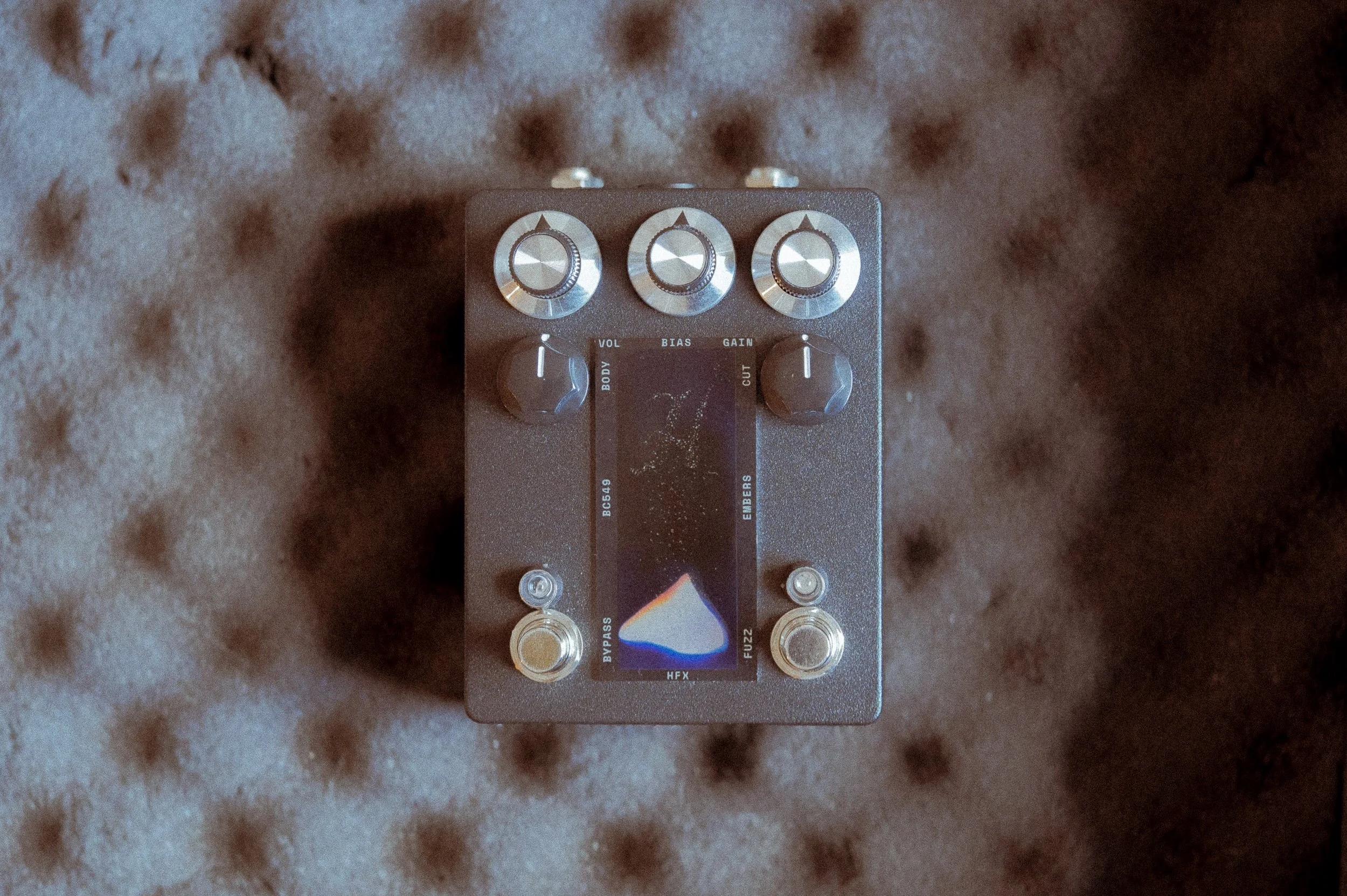
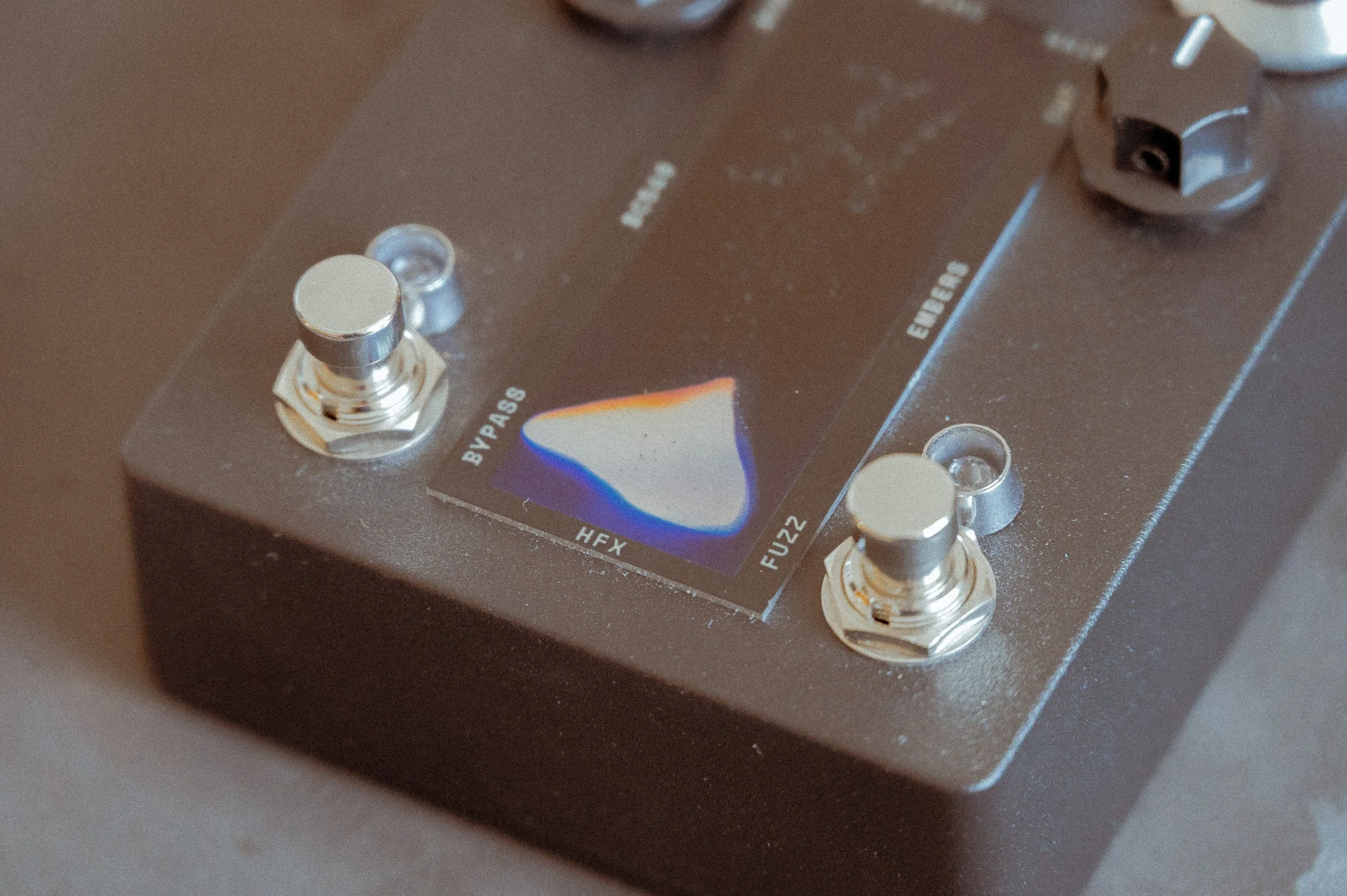
Embers is a low-gain fuzz preamp, built around the sound and feel of a fuzz with your guitar volume rolled back, made available on a footswitch.
It’s been revoiced specifically for low-gain use. At its core, it’s dynamic, touch-sensitive, and responsive to picking strength, sitting significantly closer to a gritty preamp than a traditional fuzz. A toggle brings back the full, classic silicon fuzz when you want it - saturated, aggressive and expressive.
A Body control blends in clean low end to retain weight and clarity as the gain changes, while a Treble Cut lets you tame top-end bite and shape the overall balance. A wide bias range allows everything from stable and open to more gated and characterful textures.
With a built-in pickup simulator, Embers can sit anywhere on a pedalboard without losing its feel or response. It also works well beyond electric guitar, equally at home on bass, or as a distinctive preamp for acoustic instruments.
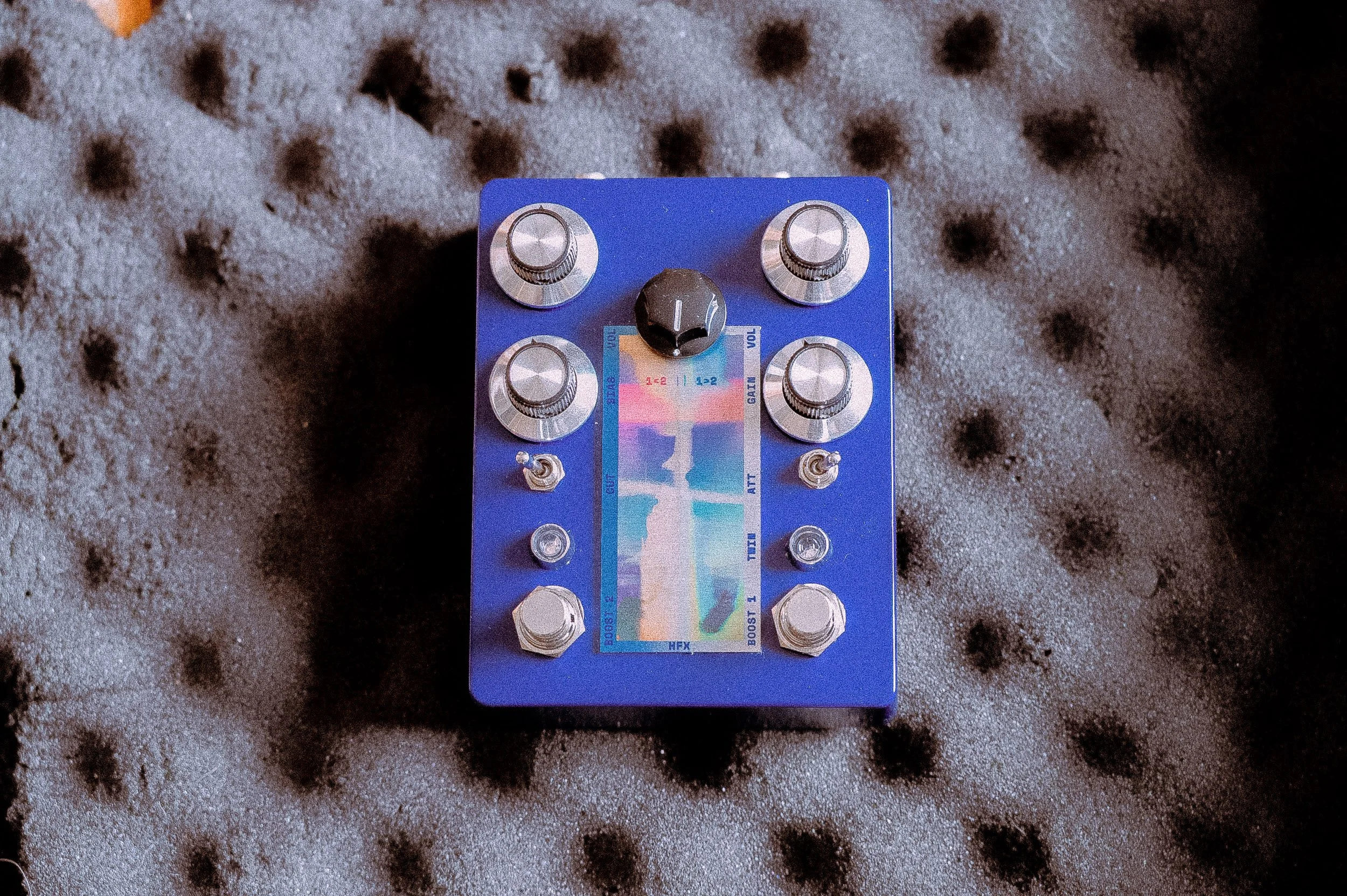
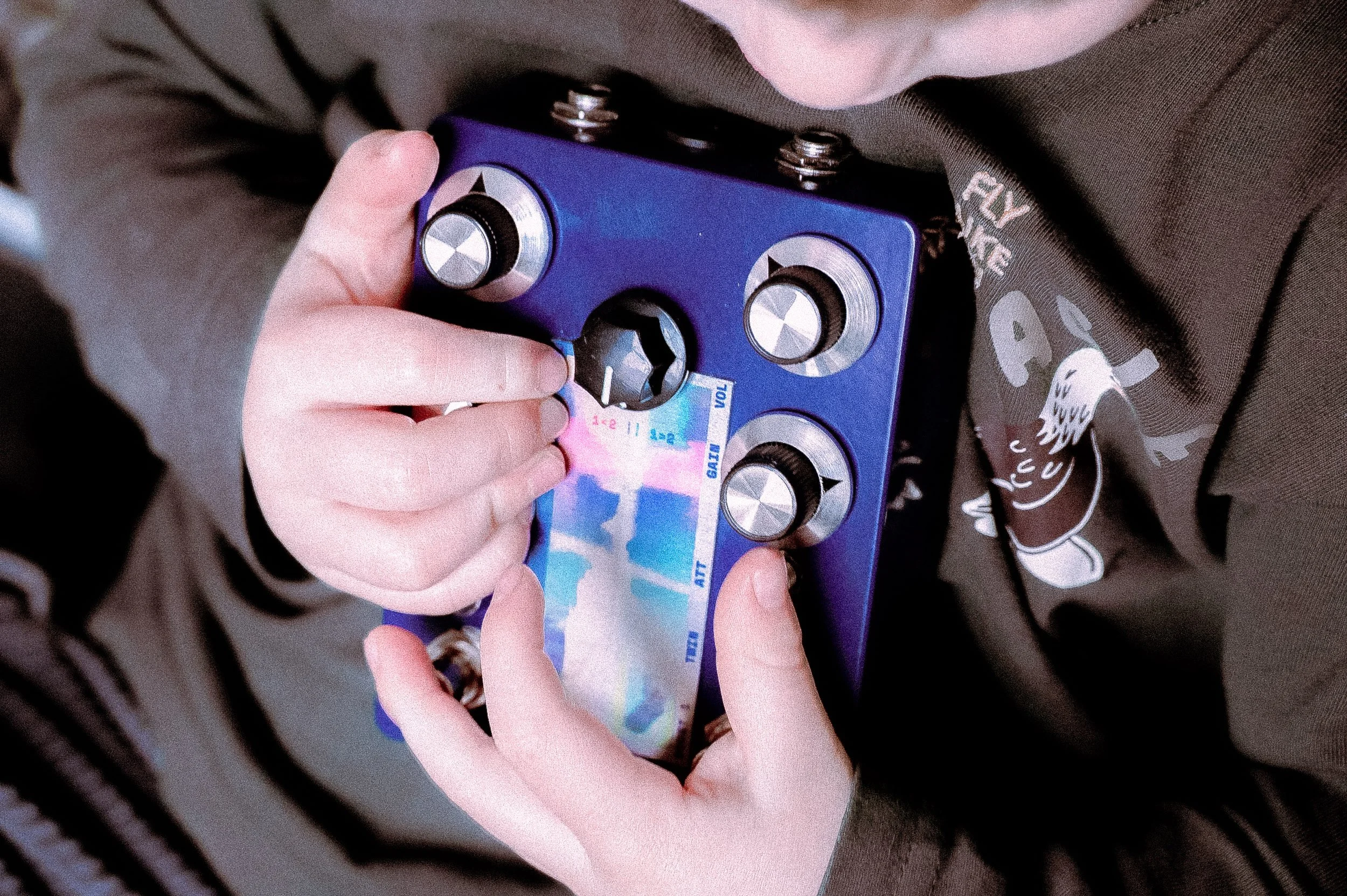
The Twin is a dual gain-stage pedal built around how gain stages interact, not just how loud they get, but how they shape feel, compression, and breakup.
Each side is a complete gain stage in its own right. One is voiced for cleaner boosts and low-gain overdrive. The other introduces bias-driven gain and compression, adding texture, bite and a touch of instability as you push it.
In this new version, the two sides can run in series or parallel, which fundamentally changes the response:
Series: one stage drives the other, increasing saturation, compression, and harmonic density. This is where it starts to feel thicker, more driven, and can edge into fuzz-like textures.
Parallel: both stages run alongside each other and are blended together. This keeps more clarity and dynamics, with a wider, more open feel and less cumulative compression.
Used individually, each side can act as a subtle lift or a characterful drive. Used together, they move from articulate gain shaping to complex, interacting breakup depending on how you set them.
A cut switch helps tame high-end harshness when stacking gain or running brighter setups, while the added attenuator lets you push the internal gain stages harder at lower output levels, shifting the Twin from a pure boost into more controlled overdrive territory.
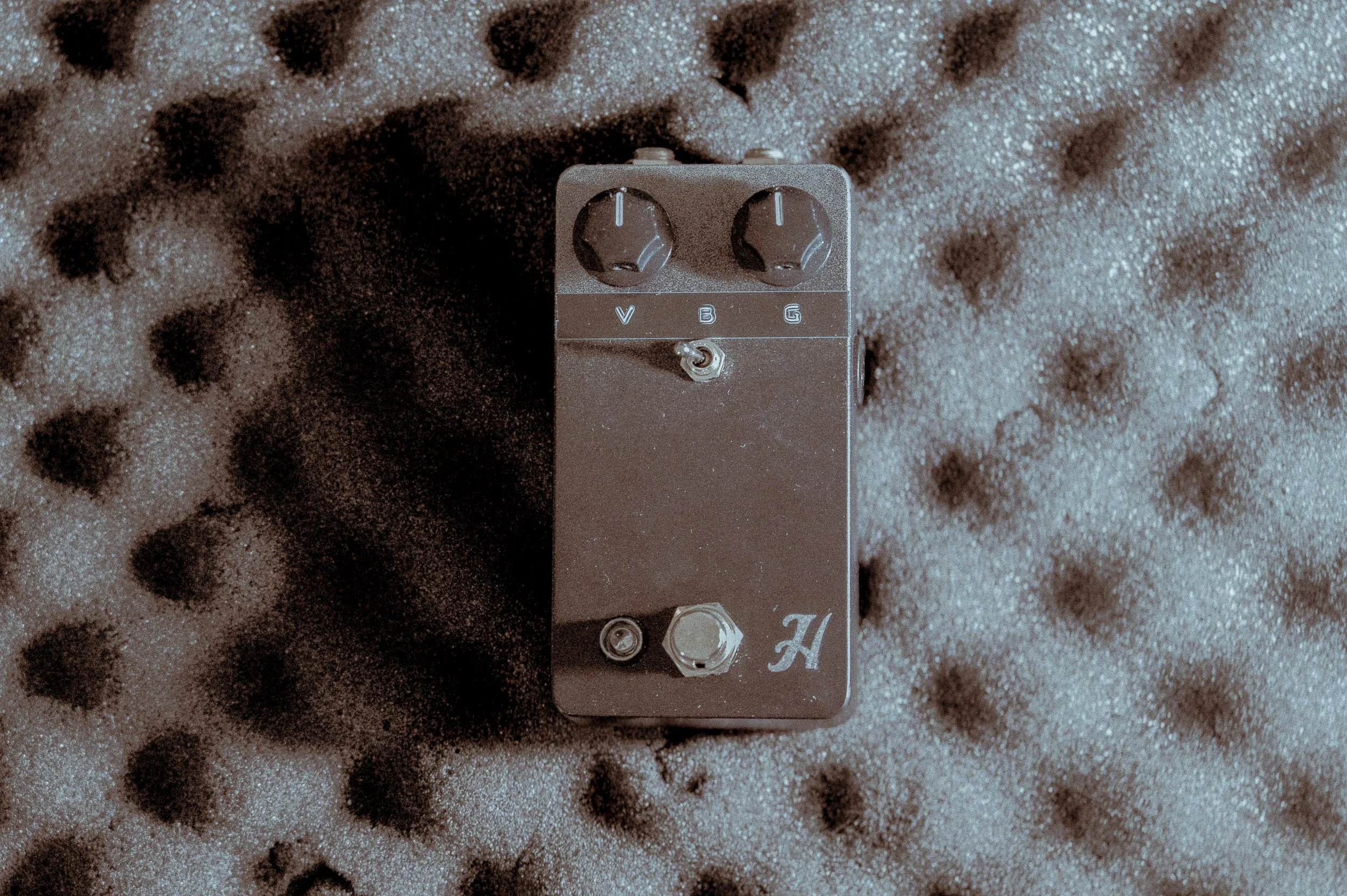
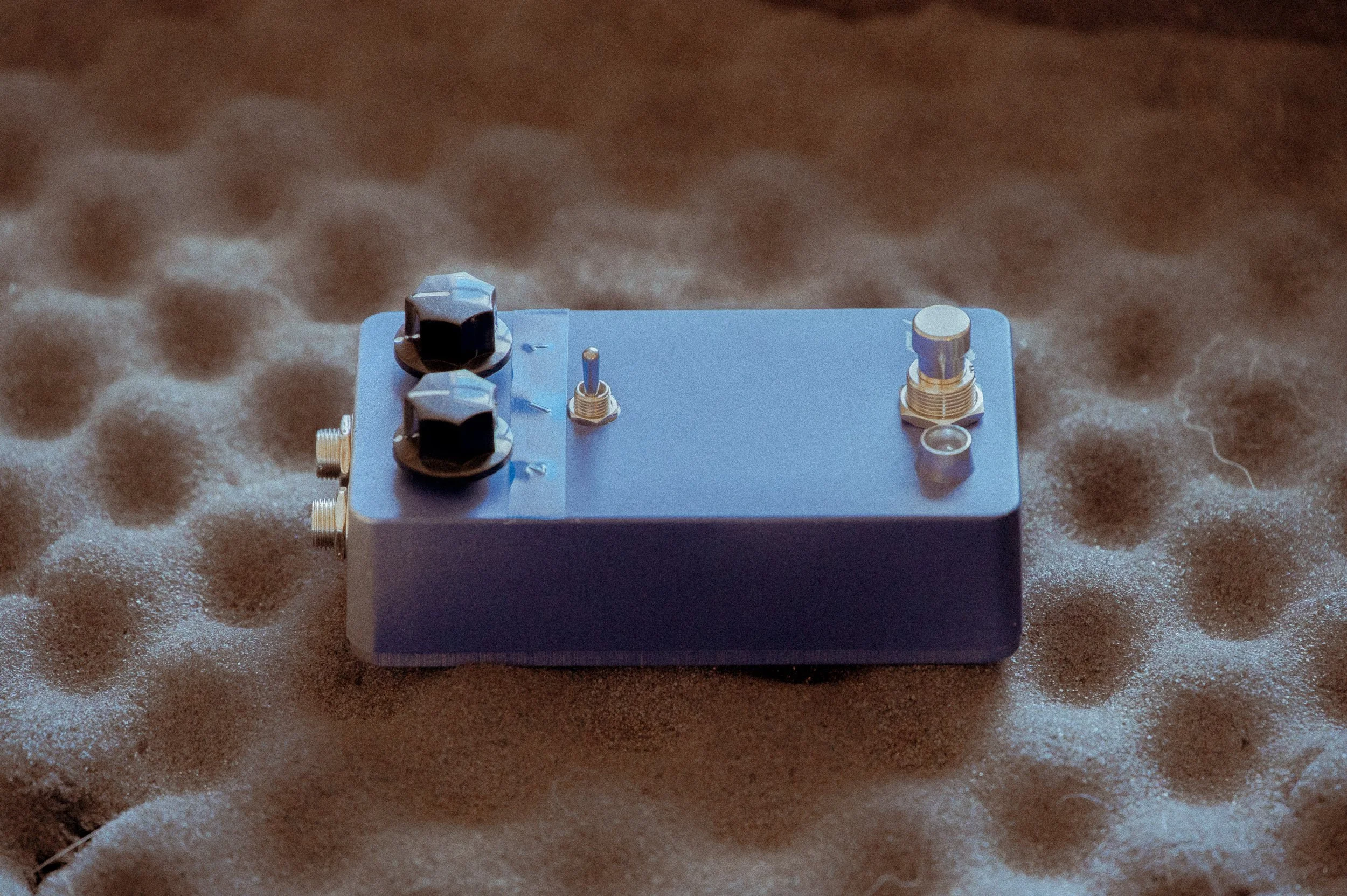
A low-gain fuzz built for character
Faded Embers hass the identity of the core Embers, stripped back to its essentials.
Revoiced for low-gain use, this pedal captures the feel of a fuzz with your guitar volume rolled back, in a more direct form.
What it does
Faded Embers sits in that space between clean boost, low-gain drive and fuzz.
At low gain, a subtle lift with added texture and feel
Mid gain settings are dynamic, touch-sensitive drive
High gain: full fuzz, without losing clarity
It reacts closely to your playing and your guitar’s volume control, making it easy to move between sounds.
How people use it
Always-on tone shaper for a bit of texture and character
Edge-of-breakup into a clean or slightly driven amp
Low-gain drive that cleans up properly with your guitar volume
Fuzz that stays controlled and usable in a mix
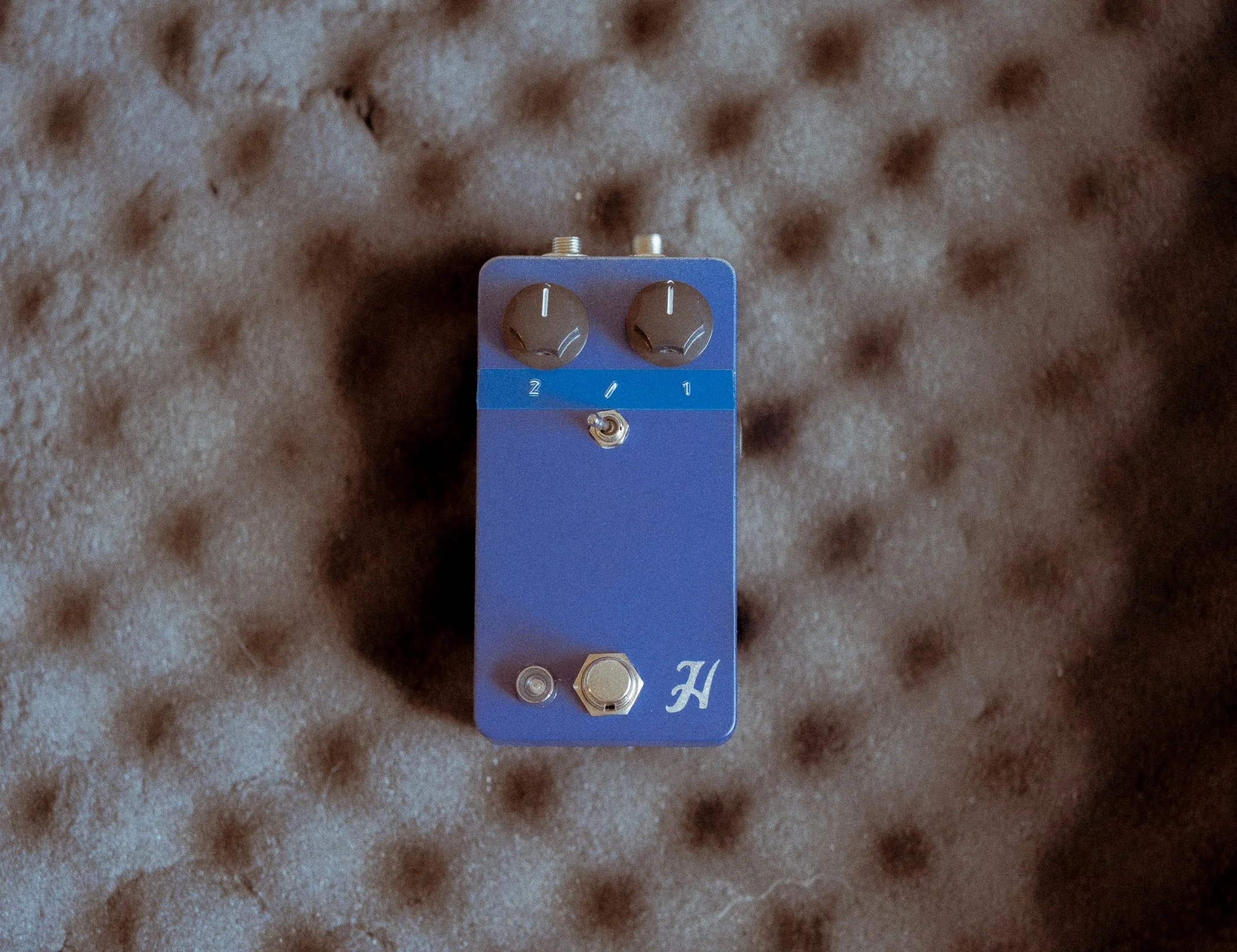
Two gain stages, control how they interact
Faded Twin is built around the idea of shaping gain by how stages work together.
Two independent stages sit side by side, one cleaner, one more characterful, and control over how they’re combined.
What it does
Faded Twin lets you build your drive sound in a more controlled, flexible way.
Blend clean and driven signals for clarity and weight
Stack stages for saturation, compression and fuzz
Move between subtle tone shaping and full drive
How people use it
Clean boost & grit blended together (in parallel mode)
Always-on tone with added character
Boosting into an already driven amp or pedal
Switching between open, dynamic tones and thicker, compressed sounds
CORE & FADED
CORE & FADED